Published December 2, 2025
Home Winterization Checklist

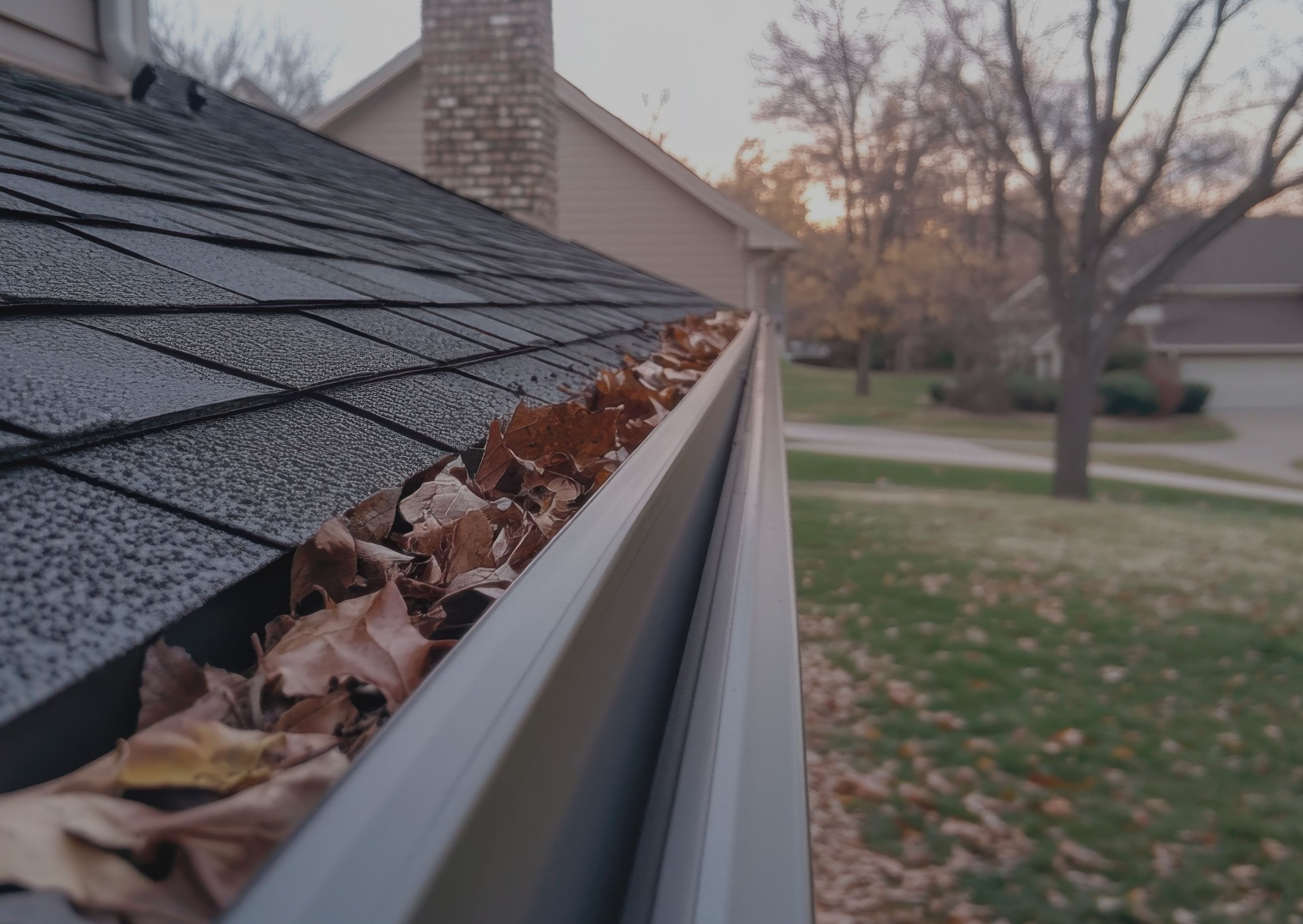
The first snow of the year has officially fallen, which means it's time to winterize your home (if you haven’t already). Whether you’re a current homeowner, a new buyer, or thinking of listing your home, proper winterization helps protect property value, reduce energy costs, and prevent costly repairs. Do these things now to prepare for the cold so you don’t pay later in the spring.
1. Strengthen Exterior Protection
Utah’s freeze/thaw cycles can be tough on home exteriors. Sealing cracks and gaps around windows, doors, and foundations prevents heat loss and protects against moisture intrusion. Cleaning gutters is equally essential, as clogged gutters increase the risk of ice dams—a common cause of winter roof damage. Adding or repairing weatherstripping and installing storm doors or insulating window film also help retain heat and reduce energy costs. Outdoor faucets should be winterized by shutting off interior valves and adding insulated covers to prevent freezing pipes.
2. Prepare the Roof and Surrounding Landscape
Roof integrity is especially important during Utah’s snowy season. Homeowners should inspect and repair damaged shingles before winter storms arrive. Trimming trees around the home can also prevent branches weighed down with snow from breaking and causing damage.
3. Protect Plumbing Systems
Frozen pipes are one of the most expensive winter home issues. Insulating exposed pipes in unheated areas such as basements, crawl spaces, or garages significantly reduces risk of freezing. Homeowners should also keep garage doors closed for added warmth and allow faucets to drip during extreme cold to maintain water flow.
4. Maximize Heating Efficiency
Heating systems work hardest in December and January. A furnace tune-up ensures safe, efficient operation, while replacing filters improves airflow and reduces strain on the system. Smart thermostats are becoming increasingly popular among Utah homeowners for their energy-saving benefits. Reversing ceiling fans to a clockwise rotation helps recirculate warm air. Additionally upgrading attic insulation (to at least R-38) reduces heat escape, lowering utility bills.
5. Focus on Winter Safety and Preparedness
Safety should never be overlooked during winterization. Testing smoke and carbon monoxide detectors is crucial as fireplaces, furnaces, and heaters see increased use during the winter months. . Chimneys should be cleaned to prevent fire hazards. Homeowners are also encouraged to keep an emergency kit on hand and ensure ice melt and snow removal tools are accessible during storms.
Reviewing home owner insurance is another overlooked but important step. Verifying coverage for frozen pipes, roof issues, and ice dams can save significant financial stress.
6. Improve Indoor Comfort
Indoor comfort matters during Utah’s dry winter months. Thermal curtains help trap heat, while draft stoppers reduce cold airflow from exterior doors. Humidifiers add moisture to the air, improving comfort and supporting more efficient heating.
Winterizing a home is more than a seasonal chore—it’s part of responsible homeownership and a smart property-value strategy. By taking these steps in December, Utah homeowners can safeguard their investment, reduce winter energy costs, and ensure their home remains warm, safe, and market-ready all season long.